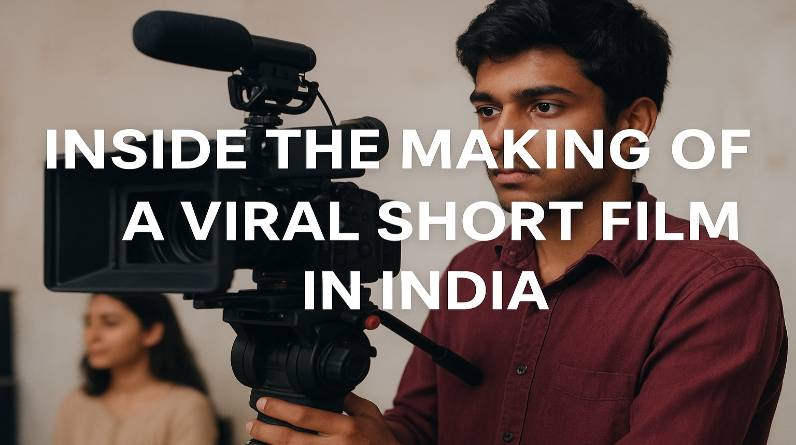
In a country where Bollywood dominates the entertainment landscape, an unexpected revolution is unfolding online. India’s new generation of filmmakers is finding fame, fortune, and creative validation not in theatres—but on YouTube, Instagram, and streaming platforms. The viral short film has emerged as a new cultural phenomenon, combining storytelling artistry with digital savvy. But what really goes into making a short film go viral in India?
This article dives deep into the creative, emotional, and technical ecosystem that powers India’s viral short films—unpacking lessons from global creators, industry shifts, and uniquely Indian dynamics that are shaping a new cinematic frontier.
The Rise of the Indian Short Film Movement
Over the last five years, short films in India have moved from niche festival circuits to mass online audiences. Platforms like YouTube Shorts, Pocket Films, and JioCinema Shorts TV have democratized visibility. A 2024 report by FICCI-EY revealed that digital video consumption in India grew by 28% year-over-year, with short-form and mid-length narrative content leading engagement.
Why Viewers Love Short Films
- Relatability: Stories mirror the experiences of India’s Gen Z—loneliness, love, and identity.
- Accessibility: Low data costs and smartphone penetration have turned YouTube into a cinema for the masses.
- Authenticity: Audiences crave emotional realism over polished perfection.
How a Short Film Becomes Viral
While virality can seem random, behind every viral hit lies a deliberate blend of emotional depth, marketing strategy, and timing. Let’s unpack the anatomy of a viral short film in India.
| Key Factor | Description | Example |
| Emotional Hook | The story must tap into shared emotions—grief, nostalgia, empowerment. | “Nirvana Inn” and “Juice” sparked social debates on gender and class. |
| Authenticity | Realistic performances and relatable settings outperform glossy production. | Films shot in homes or small towns feel personal and raw. |
| Shareability | Easily shareable themes (e.g., love, loss, injustice) lead to organic virality. | “The School Bag” went viral for its universal emotional appeal. |
| Engagement Loop | Filmmakers who reply to comments or discuss feedback drive retention. | Director Tatjana Anders replied to 1000+ YouTube comments to sustain traction. |
Case Study: When Emotion Meets Algorithm
In 2023, 19-year-old filmmaker Wesley Wang’s short film “nothing, except everything.” went viral globally, amassing 1.5 million YouTube views. The film’s emotional core—navigating identity and isolation—resonated deeply with audiences. While this was a U.S.-based story, the formula mirrors India’s rising short film scene. Indian creators are discovering that the algorithm favors authentic emotion plus consistent engagement—a digital reflection of what Wang achieved.
The Indian Context: What Makes It Different
1. Storytelling Rooted in Reality
Indian filmmakers draw from lived experiences—whether it’s the tension of middle-class aspirations or the struggles of urban migration. A short film like “Chutney” (Tisca Chopra) gained millions of views because it mixed familiar social hierarchies with thriller intrigue.
2. Vernacular Reach
A major advantage for Indian creators is linguistic diversity. Regional short films in Tamil, Malayalam, Bengali, and Marathi often outperform Hindi ones in engagement rates. Audiences feel emotionally closer to content in their native tongue.
3. Platform Cross-Promotion
Today, a viral short doesn’t live on YouTube alone. Creators use Instagram Reels and X (Twitter) for teasers, while leveraging Reddit and Discord communities for storytelling discussions. This multi-platform loop is vital to sustaining buzz.
Behind the Scenes: The Making Process
Making a viral short film in India is as much about planning and strategy as it is about passion.
Step 1: Concept Development
A viral short begins with a universal theme. Filmmakers often ask: Would someone share this story if they saw it on their feed?
Example: The short “Khayali Pulao” (featuring Prajakta Koli) went viral for its feminist message wrapped in a small-town sports story—emotional yet optimistic.
Step 2: Production on a Budget
Most Indian short films are made on shoestring budgets (₹50,000–₹3 lakh). Filmmakers rely on friends for equipment, shoot in real locations, and focus on performance over polish.
“We didn’t have fancy gear. We had conviction,” says an emerging Mumbai-based filmmaker whose recent short hit 3 million views on YouTube.
Step 3: The Edit and Emotion Curve
Editing plays a key role in virality. Jump cuts, rhythm, and emotional pacing keep retention high. Films that hold viewers for over 60% of their runtime are favored by YouTube’s recommendation algorithm.
Step 4: The Launch Plan
Successful filmmakers schedule strategic release windows—often Fridays or around festivals when engagement peaks. They also prepare thumbnail tests, keyword research, and community engagement scripts before launch.
Lessons from Viral Success Stories
Drawing inspiration from creators like Wesley Wang and Tatjana Anders, here are practical lessons Indian filmmakers can apply:
- Engage Early and Often: Reply to every comment for the first week after release.
- Use Niche Communities: Promote on Reddit threads, WhatsApp film groups, and local filmmaking pages.
- Tell Stories That Heal: Films that open conversations—on mental health, gender, or identity—drive organic shares.
- Leverage Festival Validation: Festival selections (even small ones) add credibility before online release.
- Don’t Wait for a Distributor: Upload directly. Audience traction can attract OTT interest later.
The Business of Virality
Going viral is not just about fame—it’s a sustainable model. YouTube monetization, brand sponsorships, and OTT licensing now allow short films to generate real revenue.
| Revenue Source | Average Earning Potential (per viral film) |
| YouTube Ad Revenue | ₹1–3 lakh/month (for 5M+ views) |
| Brand Integrations | ₹50,000–₹2 lakh per placement |
| OTT Short Licensing | ₹1–5 lakh per title |
| Workshops & Collaborations | ₹20,000–₹50,000 per event |
These numbers vary, but they highlight a key truth: a viral short can fund the next one, creating a self-sustaining ecosystem.
Future of Viral Short Films in India
With over 820 million smartphone users and rising internet speeds, India is entering its “Digital Film Renaissance.” Streaming platforms are scouting YouTube talent, while universities now include “Digital Filmmaking for Virality” in media programs.
The next decade will likely see:
- Collaborative creator studios merging film and influencer culture.
- AI-assisted editing tools enabling faster post-production.
- Regional short film festivals integrating with OTTs for direct acquisition.
Conclusion: The Democratization of Cinema
Virality has rewritten the rules of Indian filmmaking. What once required studio backing now thrives on storytelling honesty, community interaction, and digital literacy. A teenager with a DSLR in Surat or a screenwriter in Kochi can now reach millions—no middlemen, no permissions, just passion.
The making of a viral short film in India is no longer a mystery—it’s a movement. And in that movement lies the future of Indian storytelling: raw, real, and relentlessly creative.
Frequently Asked Questions (FAQs)
1. What makes a short film go viral in India?
A short film goes viral in India when it combines emotional storytelling, authentic performances, and strategic digital marketing. Topics that resonate with young audiences—like identity, love, and social issues—tend to perform best.
2. How can Indian filmmakers promote their short films online?
Promoting a short film effectively involves sharing across YouTube, Instagram, and Reddit, engaging in relevant film communities, collaborating with influencers, and actively replying to viewer comments to increase engagement and visibility.
3. Do short films make money on YouTube?
Yes. Viral short films can earn from YouTube ad revenue, brand integrations, and OTT licensing. Filmmakers with consistent engagement and over one million views often attract sponsors or streaming deals.
4. What is the ideal runtime for a viral short film?
Most successful viral shorts run between 10–20 minutes, balancing emotional depth with viewer retention. YouTube’s algorithm also rewards longer watch times with higher visibility.
5. Can a first-time filmmaker make a viral short film?
Absolutely. Many viral short films are made by newcomers using minimal budgets. What matters most is a compelling story, genuine emotion, and a well-planned release strategy—not big production value.
6. Why are Indian short films gaining popularity now?
The growth of affordable smartphones, faster internet, and platforms like YouTube and JioCinema has made short films accessible to millions. Indian audiences now prefer quick, meaningful stories over lengthy traditional content.
7. What are the key lessons from successful viral short films?
- Focus on emotional authenticity
- Engage directly with your audience
- Use festival exposure before online release
- Target specific communities for organic reach
Turn every short film into a learning experience